Before You Press Send
How Accountability has evolved in the age of social media.

Consider yourself an ordinary individual with a regular job, living in a typical house in the 20th century. You’re sitting at the table reading a newspaper when a headline unsettles you. You write a complaint to the editor, send it by mail, and wait. The paper receives hundreds of letters, and maybe yours appears in print a week later.
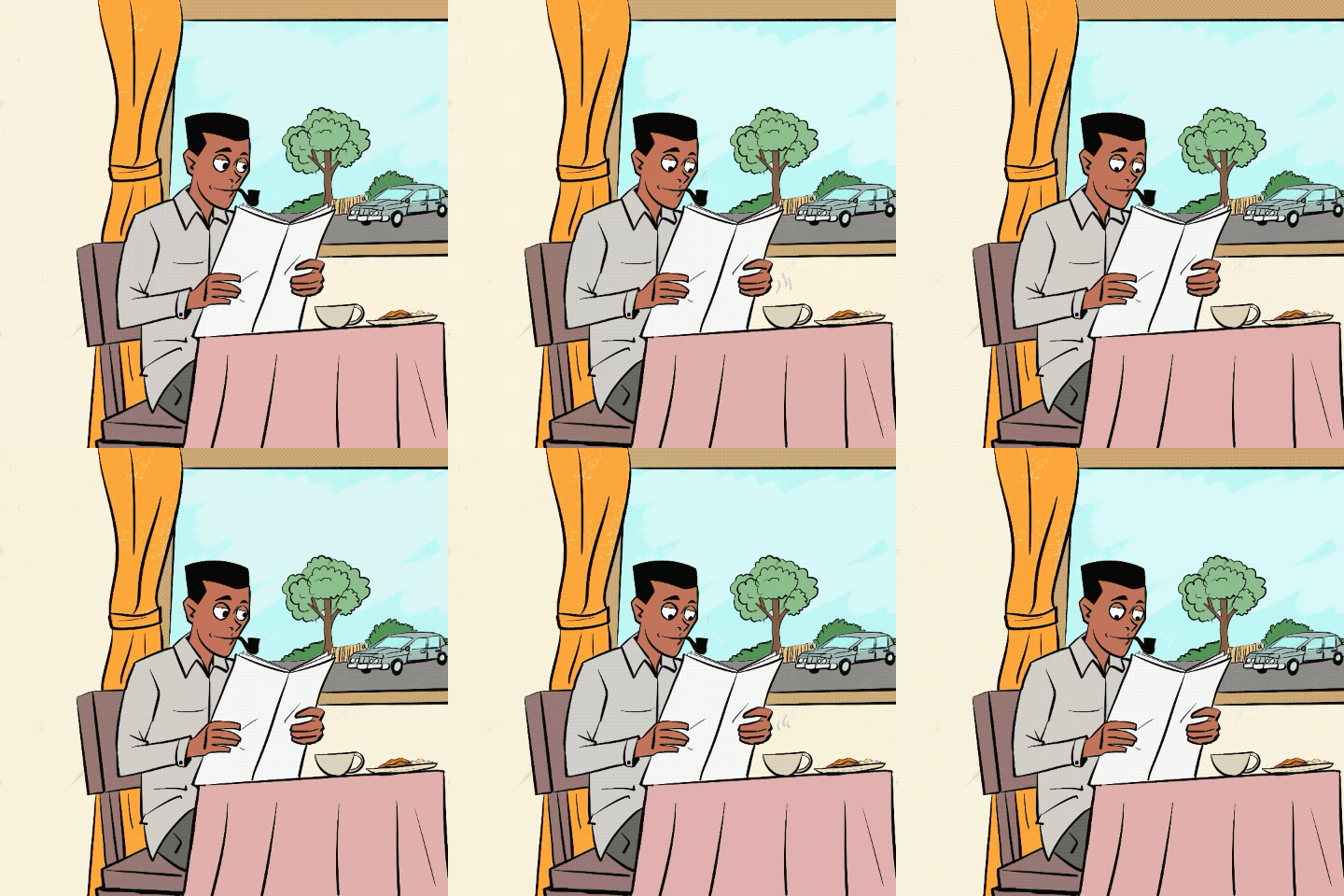
Fast forward to the 21st century. Today, we consume news on our phones and surf through social media for stories that catch our eye. With a few taps, we can react by commenting, sharing or expressing anger or support. Occasionally, others respond, but not always.
But here’s a question: do you feel special now?
Today, we can hold the media accountable for what they publish, but should we also hold ourselves accountable for what we post, share, or say online? The thought that troubles me is this: if we spread misinformation, exaggerate the truth, or comment without facts, who holds us responsible?
We have the freedom to express opinions and critique others, but freedom comes with responsibility. Other users might correct us, but who corrects them? And here’s the uncomfortable truth: there’s no good answer. Unlike traditional media with editors, fact-checkers, and legal departments, social media operates on a model of collective trust that nobody really oversees. We’ve democratised publishing without democratising the accountability that came with it.
Consider this: have you ever wondered why the press is called “the press”? It’s named after the printing press. For centuries, publishing required equipment, staff, and serious capital. Accountability made sense because only institutions could be publishers.
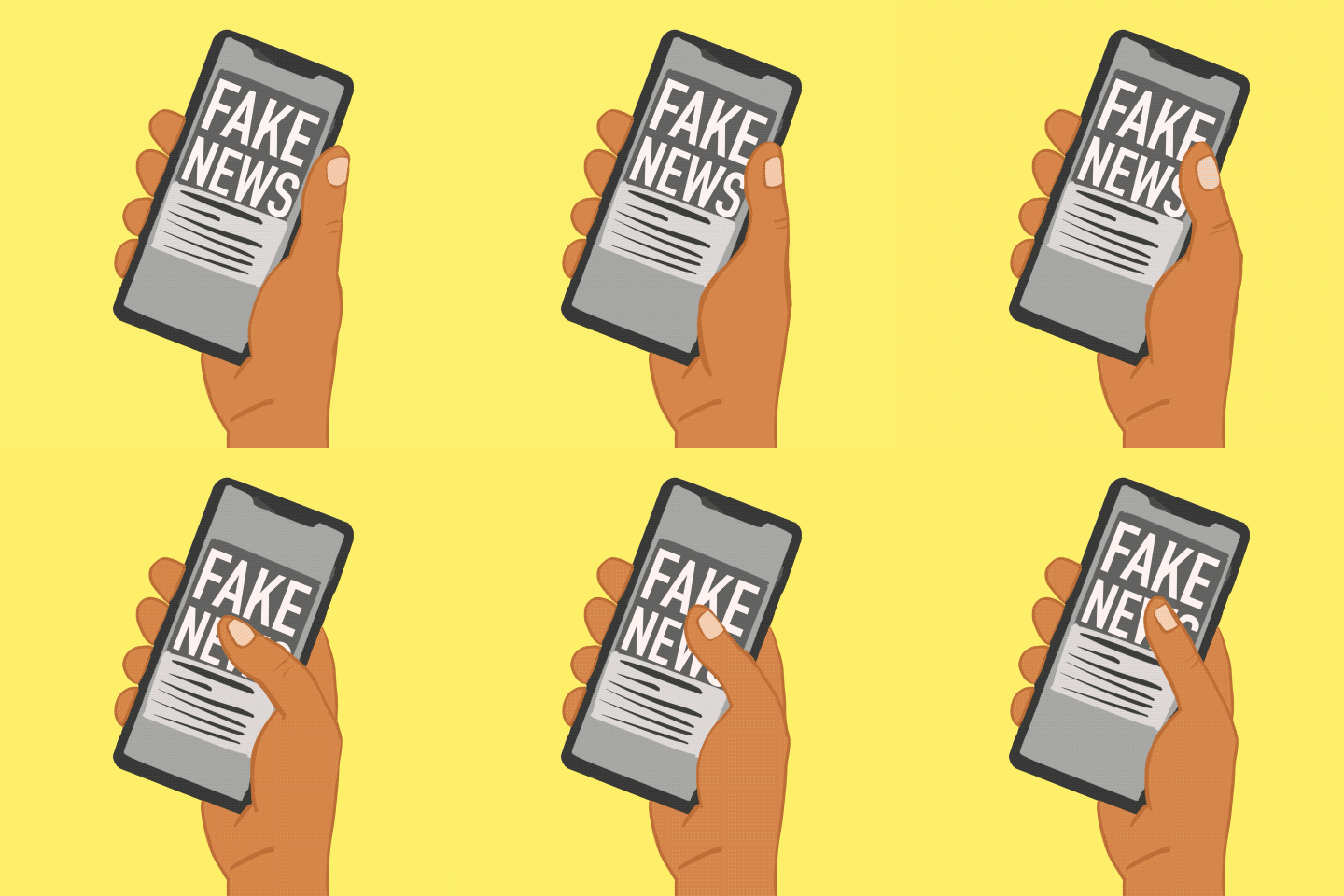
But now, everyone has a printing press in their pocket. It doesn’t print; it displays.
This changes everything. Watergate took two years of careful investigation. Today, accusations spread in two minutes. The outlets we once relied on exclusively — the BBC, CNN, or the Daily Mail, now share the stage with millions of individual voices.Our job as readers isn’t just to believe or doubt the professionals; it’s to analyse, verify, and accept that we don’t know everything until we know the facts. And that same standard should apply to ourselves.
Perhaps that’s what social responsibility means today: not just expecting truth from the media, but practising it ourselves. Every post, comment, or share influences public opinion, thus being educated, honest, and fair is no longer solely the responsibility of the media; it is also ours.