Making a comic book again.
Always the rough draft.

I’m working on a joint comic book project with a friend of mine who runs a vintage store that specializes in selling classic vinyl records and comic books. He’s the one who suggested the idea to me.
The story’s premise revolves around music, and that’s the only detail I can share at the moment. It’s still a work in progress, but I’ve managed to get a few behind-the-scenes images that’ll give you an idea of how it all works.
It usually starts with a brainstorming session, then my friend writes out the treatment—some kind of description of what the comic could be, including the characters and environment
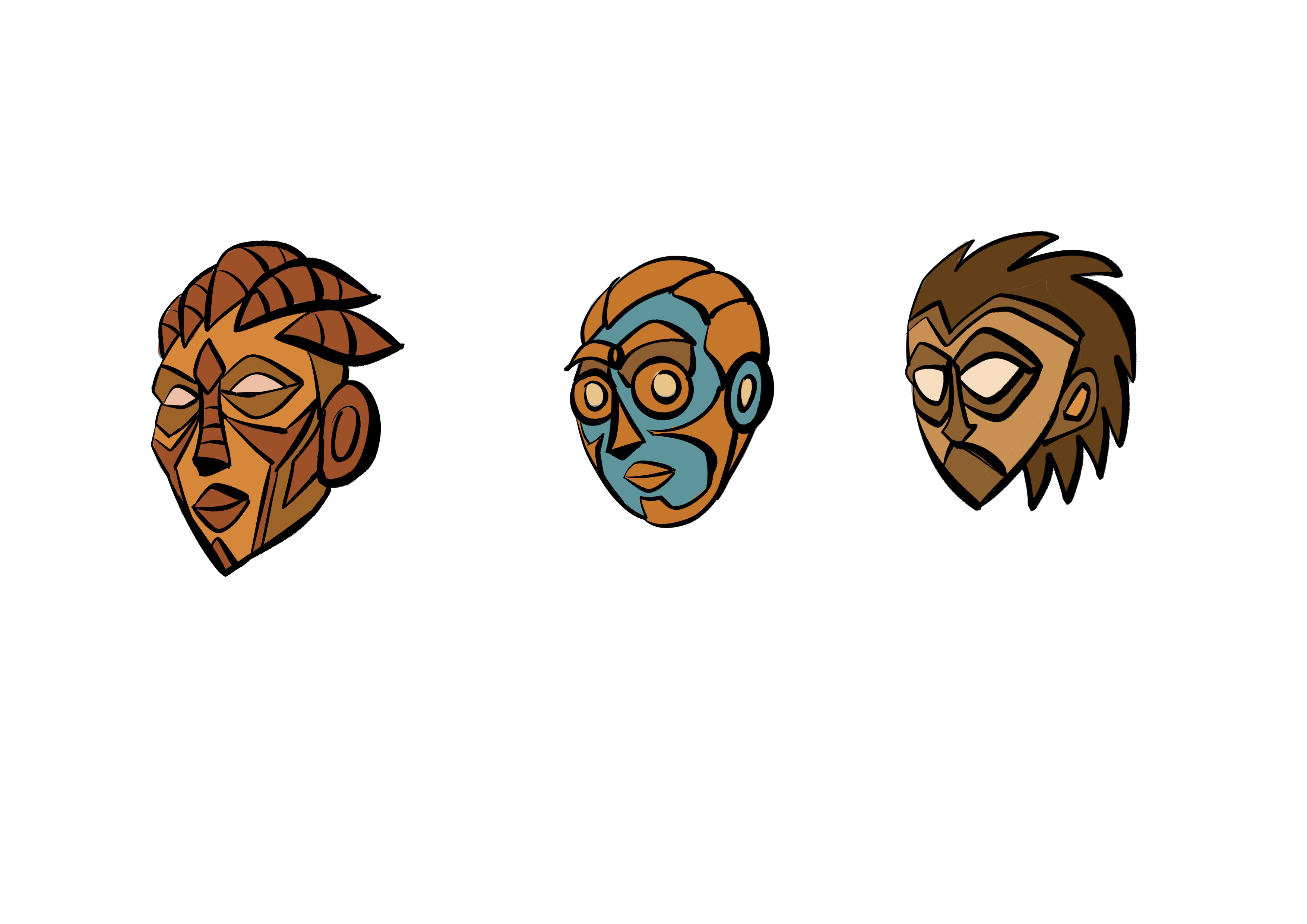
.
Here comes the fun part for me: sketching. I’ve carried over a habit from my graphic design and illustration days of going back to old-school paper, pencils, and inks for drawing out ideas that need to be put down as fast as possible, to make sure those ideas don’t fade away.
The digital playground is where the sketching really takes off. I use my iPad Pro to sketch rough character designs and then send them to my friend for feedback and notes. Sometimes I hit the mark, and other times I miss something. But I always keep in mind that it’s never the final design.
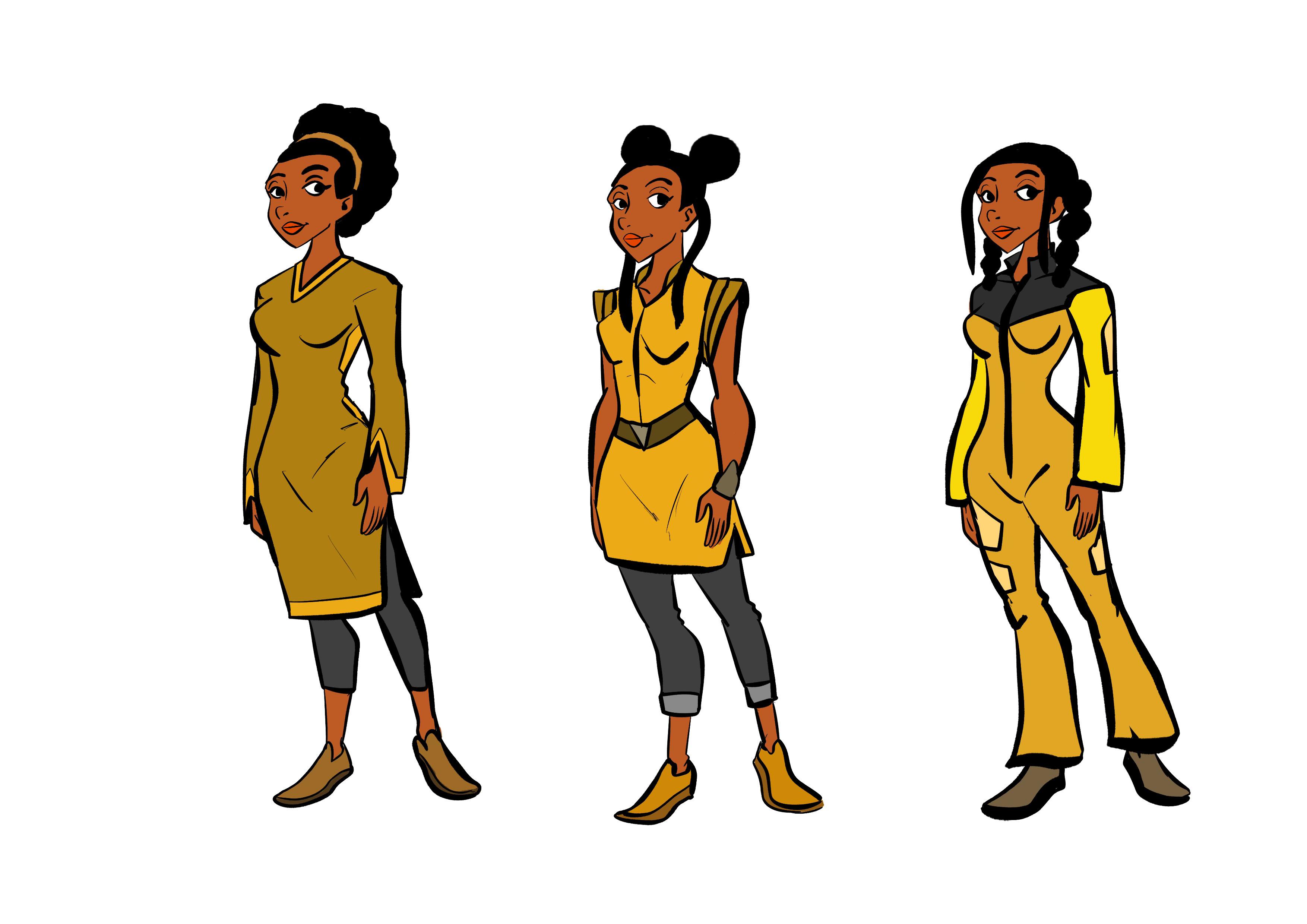
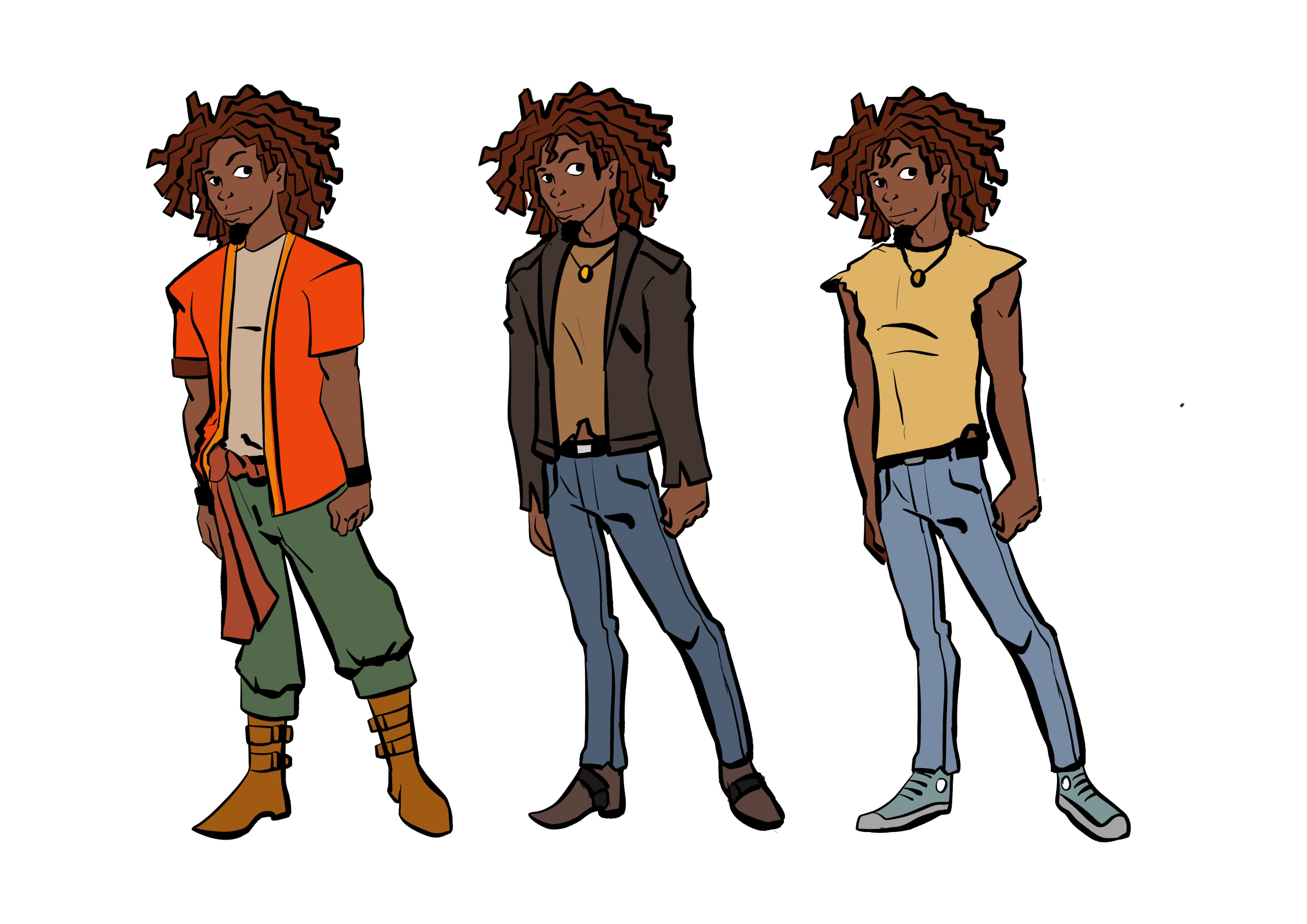
Character designs of the main characters
I’d look for references and use image searches online. Watching films and reading comic books will help me develop more ideas about what a comic book should be. It takes time but I enjoy exploring and jotting down ideas.
Once that’s done, I focus on the storyboarding and scriptwriting. This usually begins with a hook involving the inciting incident of Act One—often Issue One. Since it’s an indie webcomic inspired by manga, I’m aiming for a 16-page comic rather than the typical 22-25 pages of a standard comic. It’s still early days, so we might add elements to strengthen it. Then I take it clip studio paint where I storyboard and lay out for inking.


This is my process, and I mostly think of myself as working in visual shorthand. I like the idea of having control over both visual and verbal pacing. You could be a writer first, then an artist second—everybody has different methods. But my best advice is: Just Start and learn along the way.
Let me know if you have questions or need some help getting your own project off the ground.